


From Workshop Floor to World Stage for Brisbane 2032: Steel Fabrication for the Games
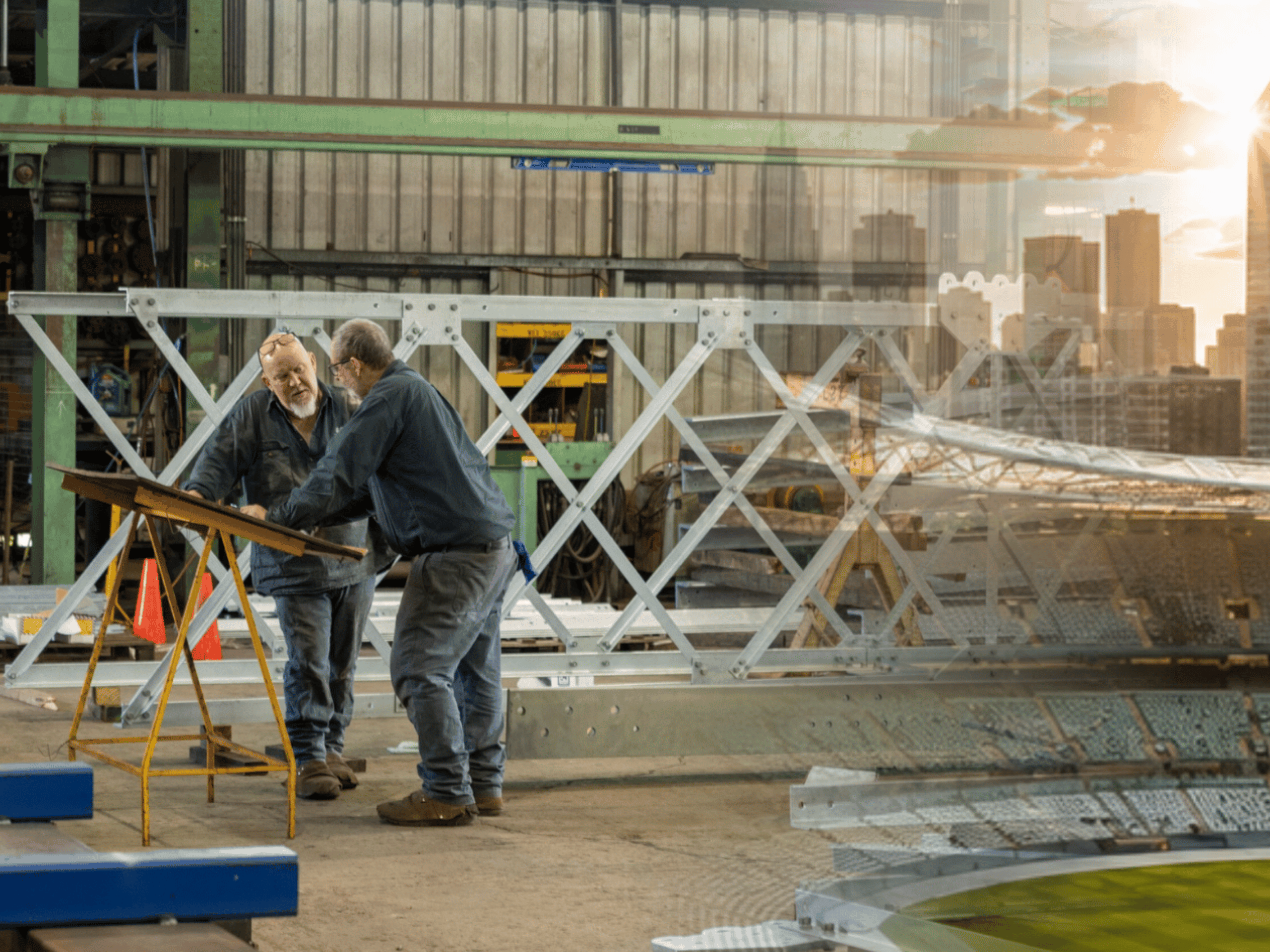
Brisbane 2032 brings a once-in-a-generation build program to Southeast Queensland. The sport will sit at the centre of attention, and the delivery program will sit right beside it.
For steel fabricators in Brisbane, this work feels familiar. Tight timelines, complex interfaces, and changing site conditions have been part of major projects across Queensland for decades. The difference with the Games comes down to scale and scrutiny.
Queensland’s 2032 Delivery Plan confirms venue infrastructure sits within a $7.1 billion funding envelope. A signed intergovernmental funding agreement also sets the Australian Government’s capped $3.435 billion contribution toward the Games Venue Infrastructure Program.
Brisbane 2032 will test delivery capability on home turf
The Olympics and Paralympics compress years of work into one immovable deadline. That deadline forces every part of the supply chain to operate with discipline.
Steel matters because it connects so many of the elements that decide program certainty:
- venue structures and upgrades
- transport and enabling works that support event operations
- the broader Queensland construction pipeline that continues to run alongside Games delivery
The Brisbane 2032 program currently lists 37 proposed competition venues across Queensland.
Those numbers point to one clear reality: delivery will rely on steady staging and reliable local execution.
The construction pipeline stays busy well before the opening ceremony
Queensland does not enter Brisbane 2032 from a standing start. The state is already in a strong infrastructure cycle, and the Games sit inside that environment.
Current forecasts cited by Steel Australia point to major uplift in construction activity:
- Queensland construction investment forecast to rise to $59.8 billion by FY31, described as a 44.9% increase on current levels
- publicly funded construction projected to reach $15.7 billion by FY30
- steel consumption in Queensland’s construction sector expected to exceed 1.2 million tonnes by FY31
This context matters for project teams that buy steelwork.
A busy market rewards decisions that lock in scope and sequencing early. When multiple sectors pull on the same capacity at once, the projects that hold schedule tend to be the ones that procure logically and stage work well.
What the current steel estimates suggest about the 2032 workload
Exact tonnage will move as scopes firm up and designs progress, but early estimates help set expectations. QMCA estimates (April 2026) that the Olympics may require approximately 35,000 to 40,000 tonnes of fabricated steel. Queensland’s fabrication sector can carry that workload. ASI states Queensland fabricators have a collective capacity of 314,000 tonnes per annum, which puts the current Olympic estimate at less than 2.5 per cent of available annual capacity. So, the deciding factor is not capability. The deciding factor is whether procurement keeps more of that steelwork with local fabricators or sends it offshore and takes on avoidable freight and timing risk.
Local capability exists, and procurement decides how much stays local
Local capability across Southeast Queensland gives project teams real options. When programs turn time-critical, offshore fabrication can add risk that owners and builders simply do not need to carry.
Offshore supply can introduce:
- shipping delays and port congestion
- customs holds that shift delivery dates
- bigger gaps between design updates and fabrication progress
- large upfront payment structures that increase exposure
For a project as time-critical as the Olympic and Paralympic Games, harnessing local capability means choosing program certainty.
Brisbane 2032 should leave a delivery legacy for Queensland industry
Brisbane 2032 will leave venues. It can also leave something just as important: a clear demonstration of what Queensland can deliver when procurement, planning and local capability align.
The settings for that legacy already exist:
- a 2032 delivery plan with a $7.1 billion venue infrastructure envelope
- a national funding contribution capped at $3.435 billion
- a Games program with 37 proposed competition venues across Queensland
For steel fabricators in Brisbane, the path forward looks clear. Strong outcomes will come from transparent packaging, staged procurement, and decisions that favour program certainty.
Sources:
Steel Australia
Queensland Government
Infrastructure Ministry