


Precision Under Pressure: Fabrication Standards for Substation Structures
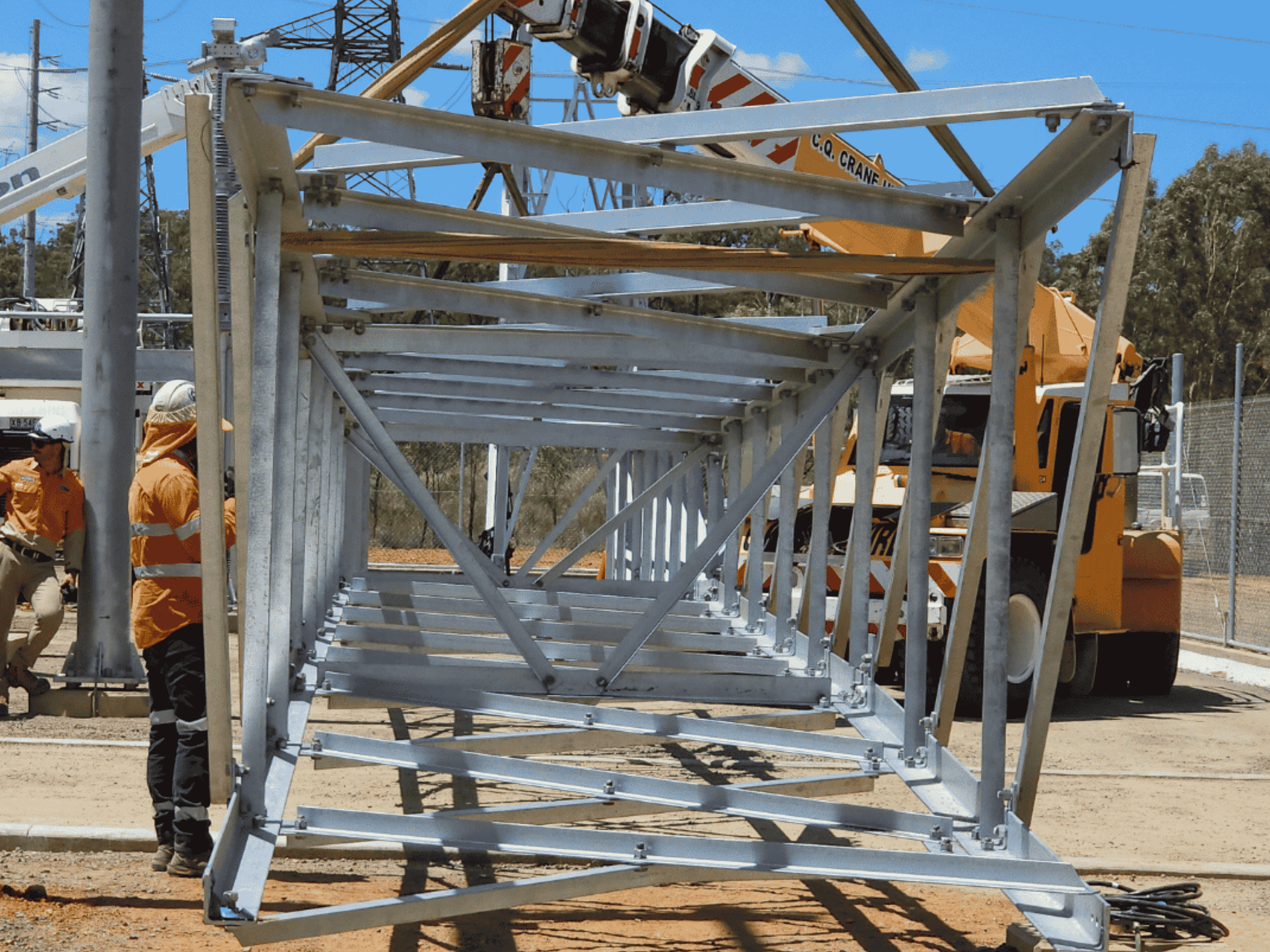
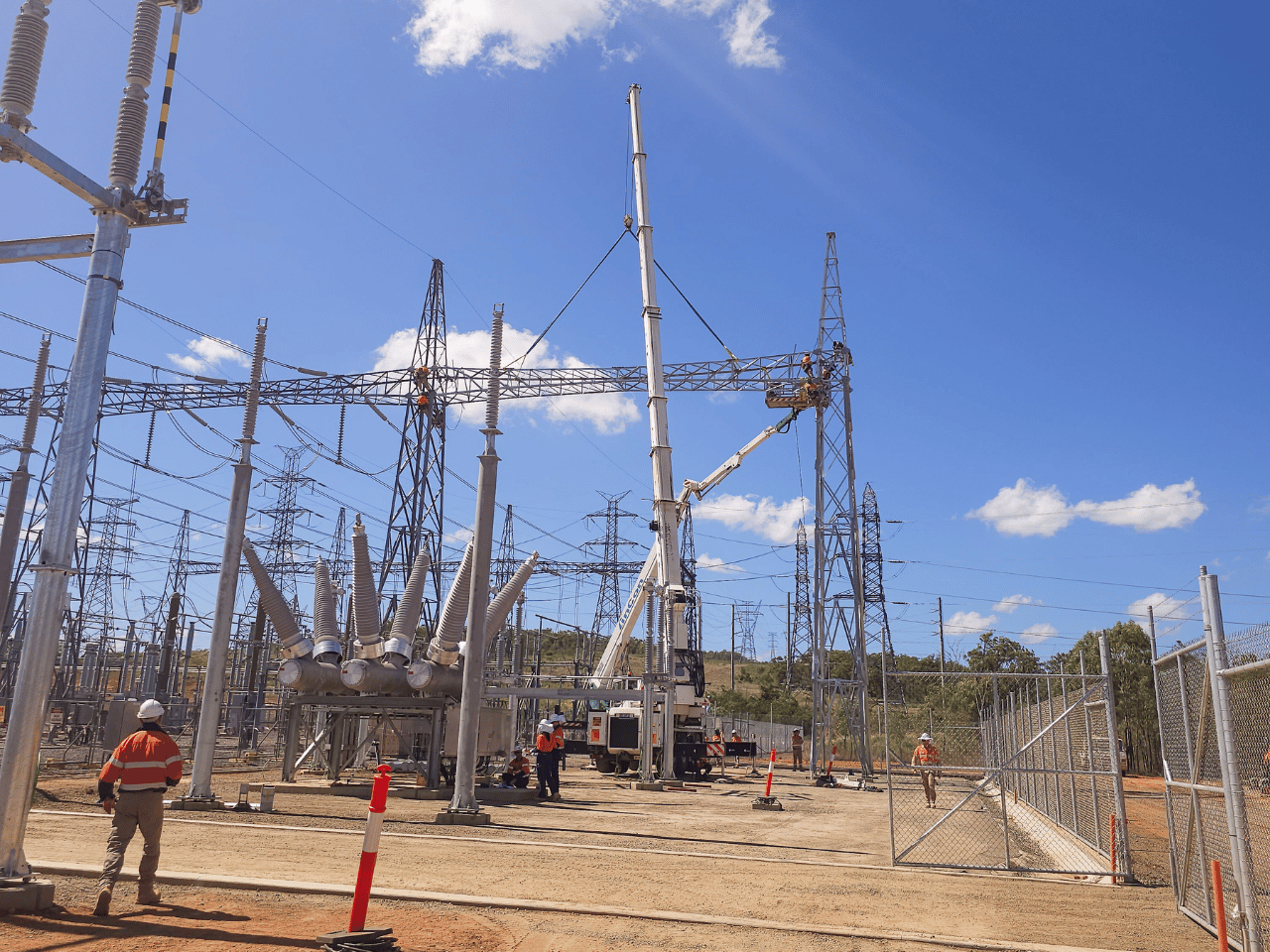
The need for new, compliant substations is growing all across the country. Australia’s national electricity market operator forecasts close to 10,000 km of new transmission will be needed by 2050 under major transition scenarios. Projects moving at that scale leave very little tolerance for avoidable rework in structural packages.
In January we shared an article looking at Why Substation Steel Decides Grid Quality , especially when outages and commissioning windows stay tight.
In this article, we build on January’s quality and reliability focus by looking at specific fabrication controls and standards-led processes that deliver compliant substation structures.
Building to a recognised standards environment
Substation delivery sits inside a well-defined standards context. AS 2067 provides minimum requirements for the design and erection of high voltage installations above 1 kV a.c. to support safety and intended function.
Fabrication partners add value when they understand how those requirements flow through to detailing, welding control, dimensional checking, and documentation. In practice, that means:
- shop detailing that reflects client packs and utility requirements
- inspections staged through fabrication, not only at the end
- records packaged in a way that suits EPC and utility QA systems
This is also where specialist capability matters for any tower manufacturer delivering both line structures and substation support steel. The standards mindset needs to be consistent across the full structural scope.
CNC accuracy and welding control
CNC drilling lines keep bolt-hole position and patterns consistent across lattice members, gussets and splice plates. That accuracy supports clean bolt-up during pre-assembly checks and again on site.
Welding then needs the same level of control. Heat input and welding sequence can distort members and shift fit-up, which undermines otherwise accurate machining. Welding quality frameworks such as ISO 3834 support discipline around procedure control, welder qualification, inspection points and traceability.
DWW Engineering’s ISO 9001 and ISO 45001 certifications support consistent QA records and safe execution, which matters when schedules tighten and delivery packages scale.
Corrosion protection and fasteners
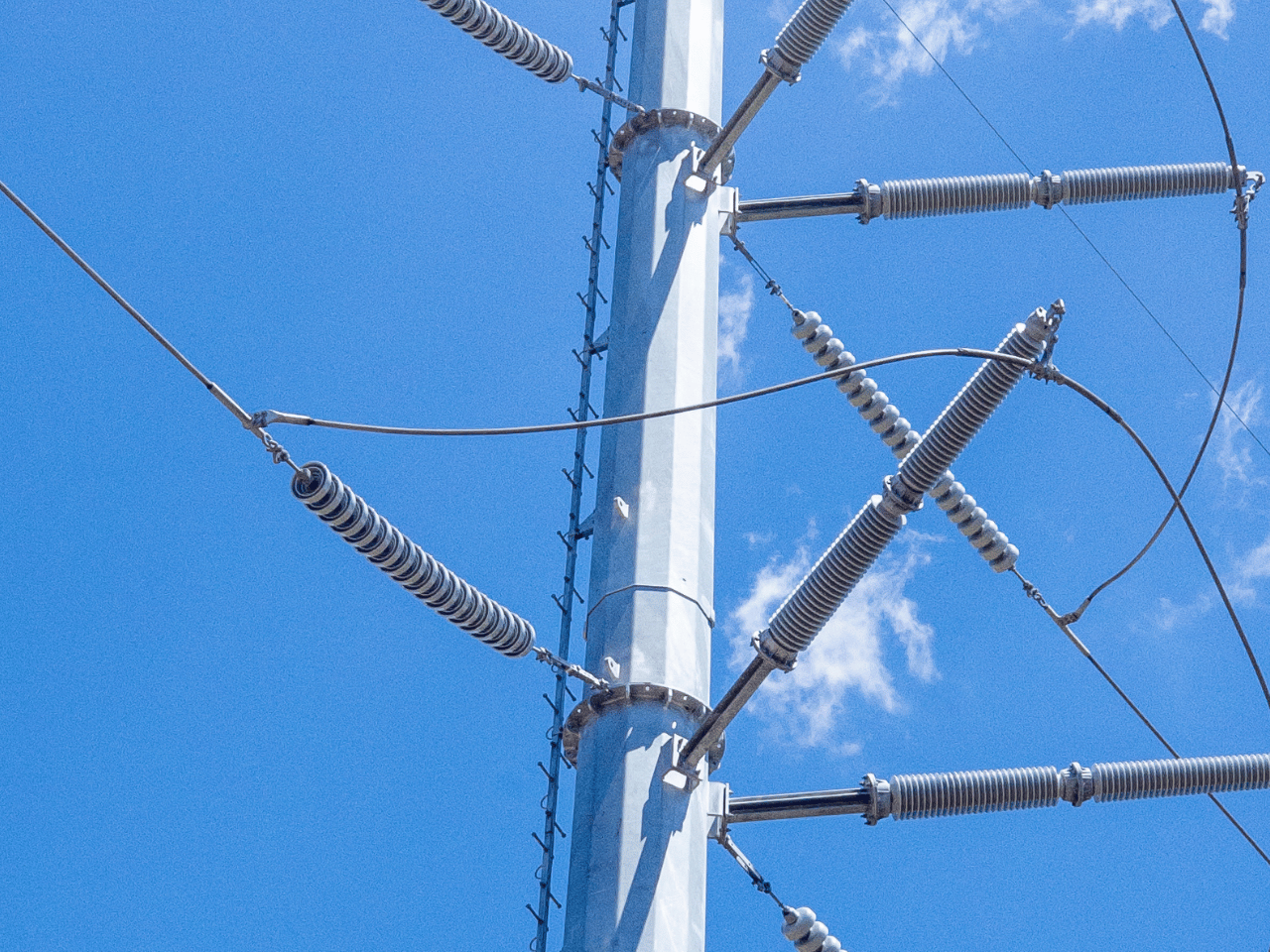
Utility standards often specify the baseline for material and fasteners. Often substation design standards require outdoor support structures to be galvanised steel and specify that fasteners used are ISO metric.
Those requirements influence detailing, fabrication sequencing, and checking, particularly where galvanising can affect interface thickness and bolt-up behaviour.
In practice, fabricators need to confirm that critical interfaces still assemble cleanly after finishing. That includes checking splice packs, cleats, and mating faces that carry alignment through a structure.
Documentation needs
On substation work, documentation is part of acceptance. Fabrication standards are demonstrated through records that tie assemblies back to approved drawings and verified processes. That typically includes traceable material certification, weld procedures and qualifications linked to weld maps, inspection results tied to hold points, and as-built documentation that reflects controlled changes.
Strong documentation reduces RFIs, shortens close-out, and protects the commissioning path. It also supports audit readiness if questions arise later in the asset life.
DWW Engineering supports asset owners with in-house design and drafting, proven structural steel fabrication capability, and specialist equipment including a CNC drilling line.
Contact us today to discuss your project requirements.